


When “Good Genes” Meets the Culture War: Why Every Brand Needs a Rorschach Strategy

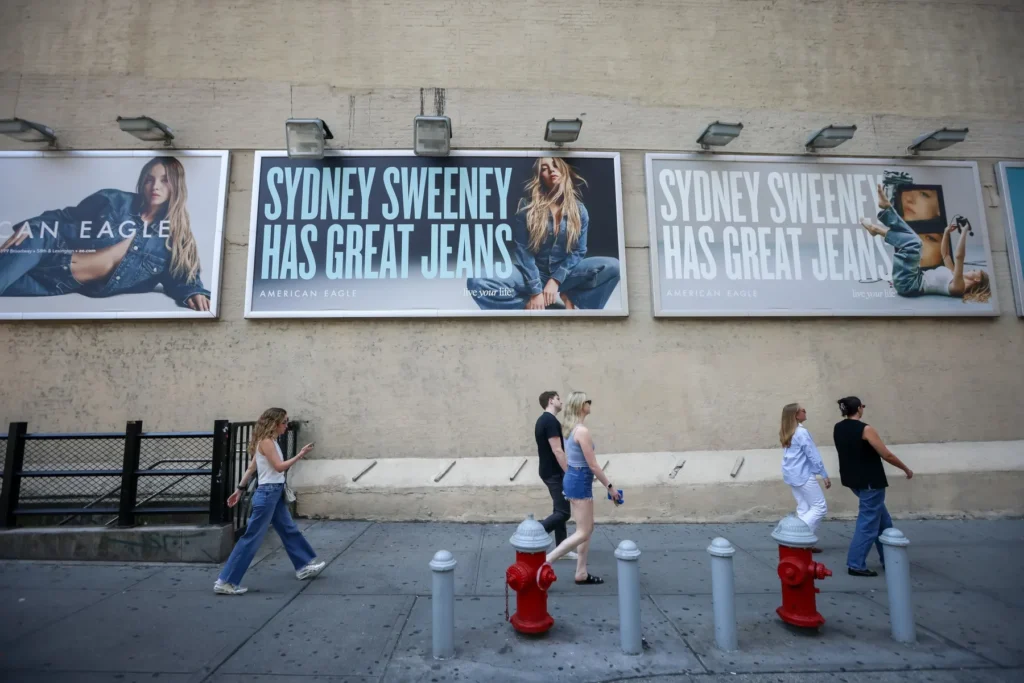
American Eagle releases a new ad for their jeans. The world goes crazy. This was never just about denim or DNA. What started as a fashion campaign became a full-blown Rorschach test for our culture war.
In case you missed the firestorm: the popular clothing retailer launched a new ad campaign with actor Sydney Sweeney using the tagline, “Sydney Sweeney has great jeans”–a play on the word “genes.”
On one side, people on the left saw a dog whistle; a wink toward eugenics. They called it unfair, even racist. On the other, many on the right saw nothing more than performative outrage—and called that unfair.
Both sides are outraged. Over jeans.
The deeper truth isn’t about jeans or genes. It’s about a country where people are easily angered. Where everyone believes there’s one set of rules for their side and another for yours. And it’s a case study in how easily a brand’s message can get hijacked in that environment.
The data that explains the outrage machine
You don’t have to take my word for it — the data speaks for itself: We recently conducted a study with Omnicom Public Relations Group and here’s what we found:
- 68% of Americans say the people they know are angrier about the state of things than they’ve ever been before.
- Nearly half (49%) believe the capitalist system is rigged against people like them. That includes 61% of Democrats, 46% of Independents, and even 38% of Republicans.
- 63% say they never, rarely, or only sometimes trust companies to do the right thing.
That’s a combustible mix. Anger. Cynicism. A lack of trust in business. Anything can trigger people when they believe the system is rigged and that companies don’t do what’s right. It could be a campaign, a tagline, or a single image.
It’s not about your intent. It’s about what they’re ready to see. Or, as we say at maslansky + partners, “it’s not what you say, it’s what they hear.”
Why this matters for brands
In 2025, your message doesn’t live in a vacuum. It lives in the context of a highly polarized, deeply skeptical audience. Which means:
- Your words don’t just mean what you say. They mean what your audience decides they mean.
- The most important audience isn’t always your target market. It’s the people who aren’t in your target market but can still hijack your message.
- Grievance travels faster than celebration. People share outrage more than they share joy.
This is why the “good genes” moment went nuclear. It tapped directly into the belief that “they” — whoever “they” are to you — get away with things “we” would be crucified for.
And that belief is one of the few things Americans seem to agree on anymore.
The Rorschach Reality
The “good genes” controversy isn’t unique. It’s the new normal. Every piece of creative you put into the world will be interpreted — and often misinterpreted — through the lens of the culture war.
That’s why I call it the Rorschach Reality.
A Rorschach test is designed to reveal what’s already in your head. In the same way, your campaign will reveal what’s already in your audience’s head — whether you intended it or not.
The question isn’t whether you’ll trigger someone. You will. The question is whether you’re prepared for what happens next.
Two choices for every brand
If you’re launching in this environment, you really have two choices:
- Anticipate the Rorschach. Before you go live, pressure test your creative with people who don’t think like you. Not just different demographics; different mindsets. Ask, “What will my critics see in this?” If you can anticipate their reaction, you can decide whether it’s a risk worth taking.
- Control the frame early. The first story people hear is often the one that sticks. Define what your message means in your own words before social media does it for you. That doesn’t mean being defensive. It means telling the story you want people to hear, in language that resonates across divides.
If you do neither, you’re effectively letting X, or TikTok, write your campaign brief for you. And you might not like the version they write.
Why controversy isn’t always a curse
Here’s the twist: sometimes getting everyone talking about you isn’t the worst thing that can happen. In fact, it can be a gift — if you’re ready for it.
Think of controversy like a wave. If you fight it, you risk drowning. If you ride it, you can travel farther, faster, than you ever could on your own.
The key is reframing the conversation so it works for you. Redirect the energy toward your brand values, your product story, or the cultural conversation you actually want to own.
That’s exactly what American Eagle is attempting to make happen now.
How to reframe in the “Good Genes” case
To counteract the denim-versus-DNA debate, the brand released the following statement, albeit a little late in response:
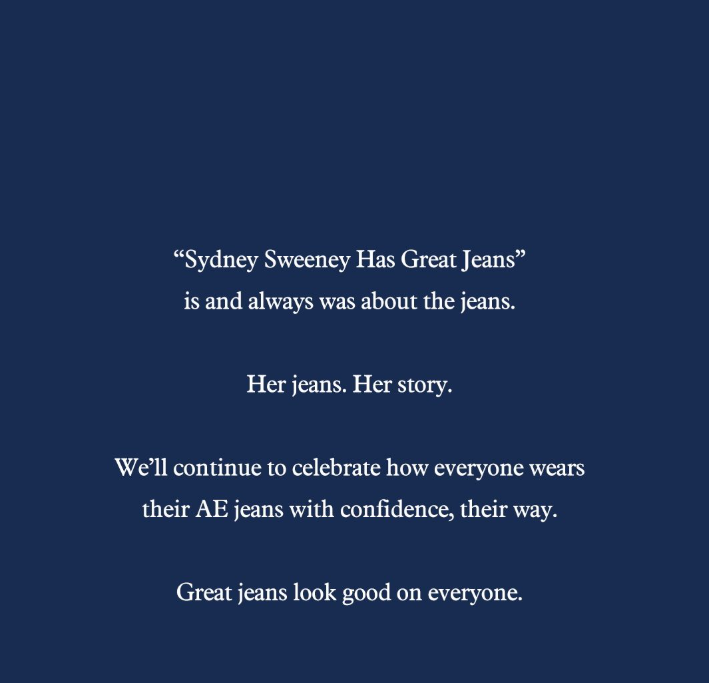
This message shifts the story from exclusion to inclusion. From grievance to empowerment. From a conversation about privilege to a conversation about personal style.
It doesn’t erase the controversy. But it changes the terms of the debate. It’s a smart move, and a message the company would have been wise to say from day one.
The Four-Step Playbook for Brand Resilience in 2025
Here’s the practical side of riding the Rorschach wave:
- Diagnose the cultural fault lines before you launch. Every industry comes with its own baggage. People see pharma as profiting from sickness, not health. They accuse financial services of making money off your money. They believe big tech uses your data against you. They blame energy companies for harming the planet. They view insurance as collecting premiums but dodging payouts. These perceptions aren’t just background noise—they shape how every message is received. If you’re not addressing them, they’re defining you.
- Pressure-test your message in the wild. Don’t just test it with your loyal customers or audiences who are predisposed to listen. Show it to people outside your base — even your detractors. Look for the unintended interpretations.
- Build your “frame-first” response. Have a short, clear, repeatable statement ready that defines your message in values-based terms. Say it early. Say it often. Make sure everyone in your organization can repeat it.
- Decide in advance how you’ll ride the wave. Will you lean in and amplify the attention? Will you pivot to a related conversation? Or will you quietly move on? The time to decide is before you’re trending — not after.
Why this is bigger than marketing
If you think this is just a PR problem, think again. The belief that the system is rigged — that CEOs get special treatment, that “people like me” are left behind — is reshaping how people see everything.
It affects whether they trust you. It affects whether they buy from you. It affects whether they forgive you when you screw up.
When 78% of people think leaders play by different rules, every brand is one headline away from being cast as “part of the problem.”
And when 68% say people they know are angrier than ever, that headline will be shared, commented on, and memed before you even wake up.
The bottom line
In 2025, the meaning of your message isn’t what you say — it’s what your audience sees. The brands who win are the ones who understand that, and who know how to ride the wave instead of drowning in it.
The rest? They risk waking up to a headline they never meant to write.
So, if you’re a marketer, communicator, or leader, ask yourself:
- Have I diagnosed the Rorschach risks in my message?
- Have I framed my story before someone else frames it for me?
- Am I ready to ride the wave if it comes?
Because the outrage machine isn’t slowing down. It’s looking for its next subject. And the only real question is: will you be ready when it finds you?
If you’re responsible for shaping messages, building trust, or protecting your brand, you need a new playbook. Download our new guide for critical insights on how to connect with your audiences in this volatile environment… and what language and strategies will resonate most effectively: