



It’s Not What You Say, It’s What They Hear: Michael Maslansky on Language, Trust, and Communicating in the Age of Rage
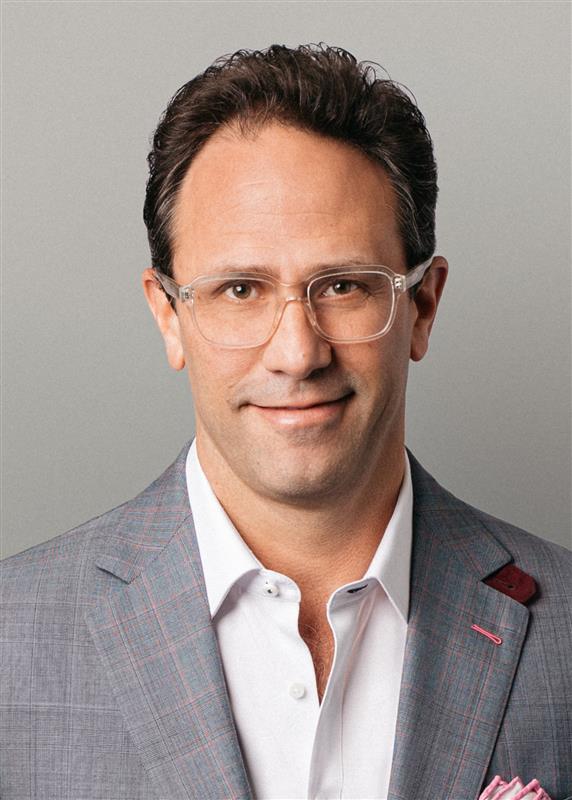
If you work in communications right now, you know how challenging it can be. What you may not fully appreciate is why it keeps getting harder—and what you can actually do about it. Following are excerpts from a recent fireside chat for communicators in higher education where Michael talks about the state of public trust, the art and science of Language Strategy, and the surprisingly common mistakes that undermine even the most well-intentioned communicators.
Q: You’ve been writing and talking about the “post-trust era” for over a decade. What’s changed?
When I wrote The Language of Trust back in 2010, I thought the situation was bad. Looking back now, that era seems almost quaint. The trends that were in place then have only moved in the wrong direction. The most recent framing we’ve developed for this is something we call the “Age of Rage.” The public’s default position when engaging with institutions—whether it’s a company they do business with, a university, a government agency—has shifted from skepticism to something closer to active mistrust. People aren’t waiting to be disappointed. They’re already angry before you open your mouth.

That creates a fundamentally different challenge for communicators. You can’t assume good faith. You have to approach every message with the understanding that your audience is already skeptical—and build from there. The good news is that when you accept that reality, it actually becomes easier to avoid the biggest communication mistakes. You stop trying to win people over with claims that sound great to you, and you start thinking about what’s going to land with them.
Q: What is “Language Strategy,” and how does it help?
The simplest way to put it: every time you open your mouth—or start typing a message—every single word is a choice. Language Strategy is the art and science of making those choices wisely.
I know what some people are thinking: isn’t that manipulation? And my answer is yes, in the same way that every human being manipulates their environment with language in almost every context. The question is whether you’re doing it consciously and effectively or just defaulting to whatever feels natural to you. What we do at maslansky + partners—and what we advise our clients—is to start from the premise that we’re communicating what we believe to be true, and then figure out the most effective way to communicate that truth so that the right audience actually receives it.
The research we do every day is about exactly that: developing different ways of talking about a topic and testing them. Asking people what they actually hear. Because it’s not what you say that matters, it’s what your audience hears.
Q: You talk about four principles of Language Strategy. Can you walk us through them?
Sure. And I’ll frame them the way I think about them — each one is about making it easy. Easy to understand, easy to believe, easy to relate to, easy to like. Those four things drive how people receive and respond to any message.
Be plainspoken
Be plausible
Be personal
Be positive
Q: Can you give us some real-world examples of how changing the language actually changed the outcome?
Absolutely. Three come to mind right away.
Return-to-office post-COVID.
ESG
Climate change
Q: What are the words and phrases leaders most consistently get wrong when the stakes are high?
The biggest one is pronouns. The difference between leaders who communicate effectively in a crisis versus those who don’t often comes down to whether they’re using “I” and “we” or “they.” When a leader keeps saying “I,” it signals self-focus. “We” creates a sense of shared experience and responsibility. A small shift, but an enormous impact.

The second thing—and this one is overlooked constantly—is acknowledgment. Before you ask anyone to accept change, accept difficult news, or accept a difficult message, you have to demonstrate that you understand where they are. “No one likes change.” “No one wants to see rising bills.” These aren’t just platitudes, they’re trust-builders. They signal to your audience that you see them. If you skip that step, the best message in the world is fighting an uphill battle.
And then there are terms that leaders love that actually work against them. “Transformation” is a great example. Inside organizations, it’s heard as: “What we have now isn’t good enough.” There’s an implied insult. “Efficiency” is another; it’s code for layoffs in most employees’ minds. If you need to use those concepts, define them. Don’t rely on the shortcut.
Q: One last question: what’s the single most important thing you’d want communicators to take away?
This: some messages make you feel good, and some messages work. They are usually not the same message.
As a communicator, your job is to be the advocate for the audience in the room—especially when you’re sitting across from an executive who is much more focused on what they want to say. Your value is in bringing the audience’s perspective to that conversation. Not wordsmithing. Not editing. Asking: “What does this person actually hear when we say this? And is that what we’re trying to say?”
When you make that your starting point, everything else gets easier.
Want to bring this kind of thinking to your organization? We would love to talk with you. Whether it’s a consultation, a message audit, or an eye-opening presentation for your team, we’re here to help you figure out not just what to say — but what your audience will actually hear. Contact us to get started.
Michael Maslansky is CEO of maslansky + partners and the author of The Language of Trust.